
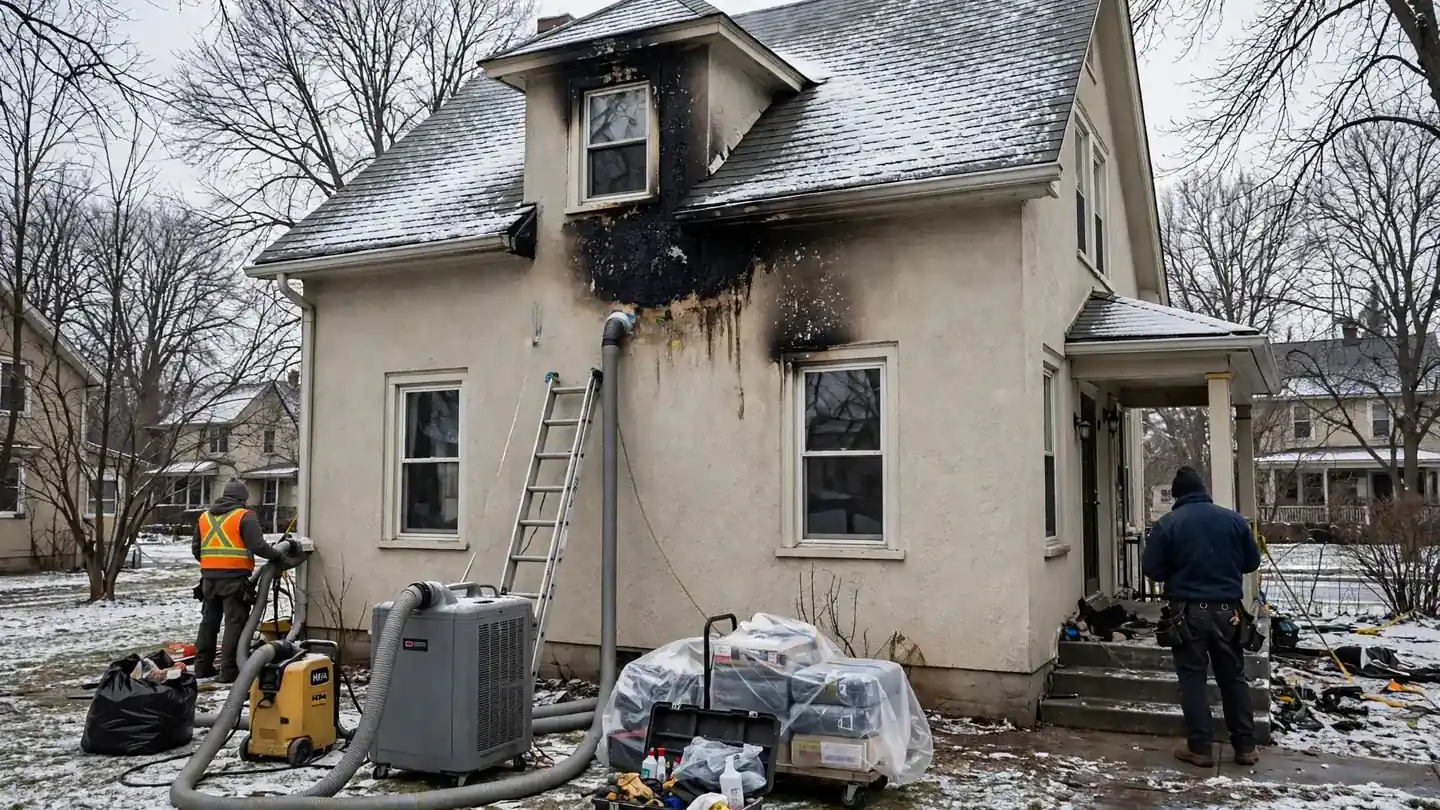
Minneapolis, Minnesota
Minneapolis fire damage restorationsmoke, soot, water and cold handled right
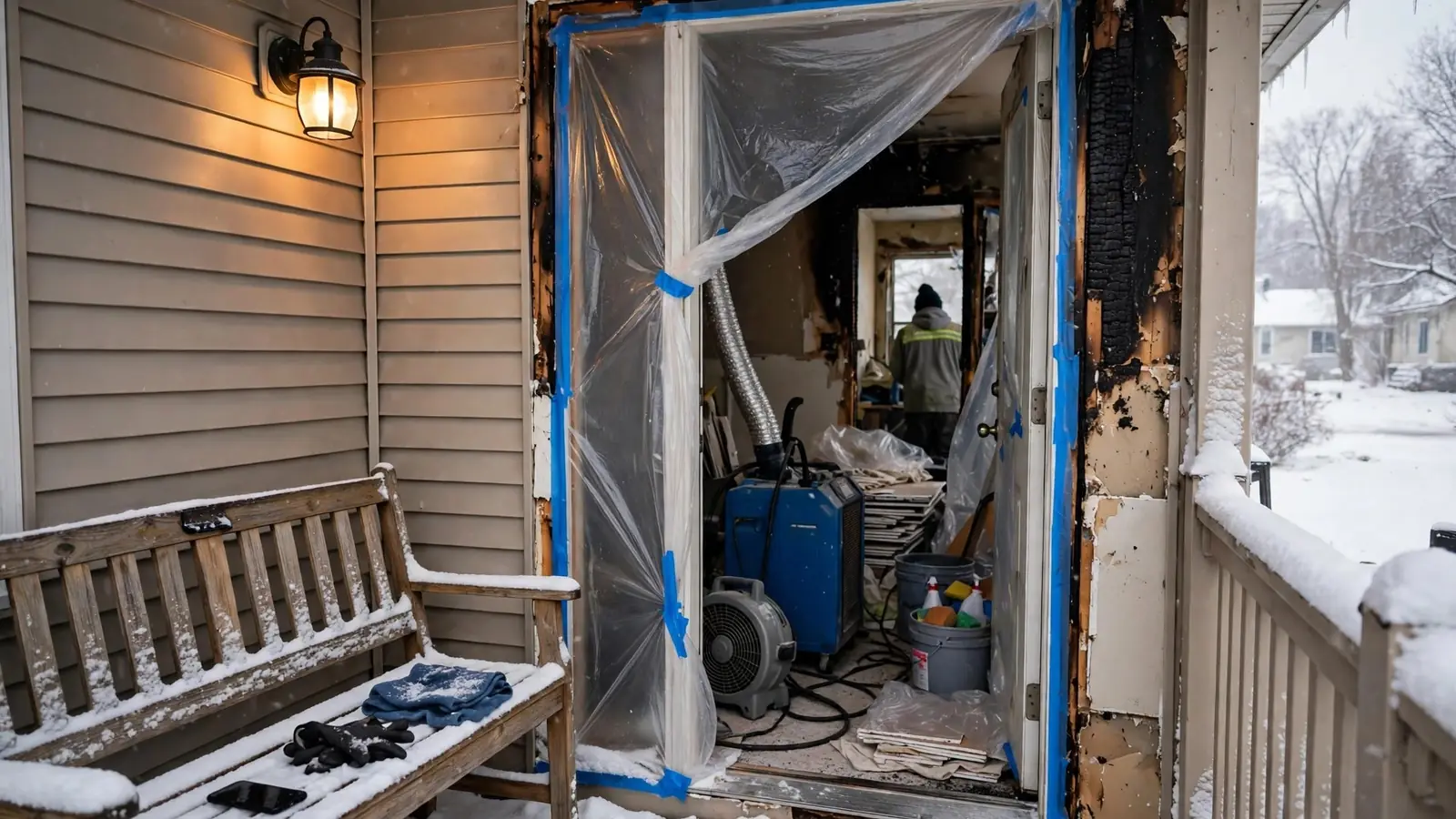
A house fire in Minneapolis can leave smoke in plaster and radiators, firefighting water in the basement, and in winter a house with no heat and pipes at risk. Call and you will be connected with an independent local restoration contractor who talks it through with you on that same call. No forms, no callbacks.
Phone-based referral service for Minneapolis: the person you reach is an independent local restoration contractor.
- Smoke and soot cleanup
- Basements pumped and dried
- Freeze protection in winter
- Board-up and roof tarping
- One callYour call goes straight to an independent local contractor. No forms and no callbacks you did not ask for.
- 51 covered ZIP codesFrom Northeast and Camden to Linden Hills and Nokomis, inside the Lead Smart coverage area.
- Built for winterFreeze protection, basements and heating systems are part of the plan, not an afterthought.
- Sourced guidesPlain answers drawn from federal and Minnesota public sources.
Key facts: Minneapolis fire damage restoration
- Smoke odor comes from tiny particles that cling to walls, furniture, floors and clothing [1].
- The EPA links mold prevention to drying wet materials within a day or two [2].
- IICRC S700 is the published standard for restoring homes after fire and smoke [3].
- The Minnesota Department of Commerce reminds homeowners that they choose who repairs their home [4].
Services
Fire restoration services for Minneapolis homes
Every part of a restoration has its own methods. Each page explains how the work is done in older Minneapolis houses.
 Start here
Board-Up and Tarping
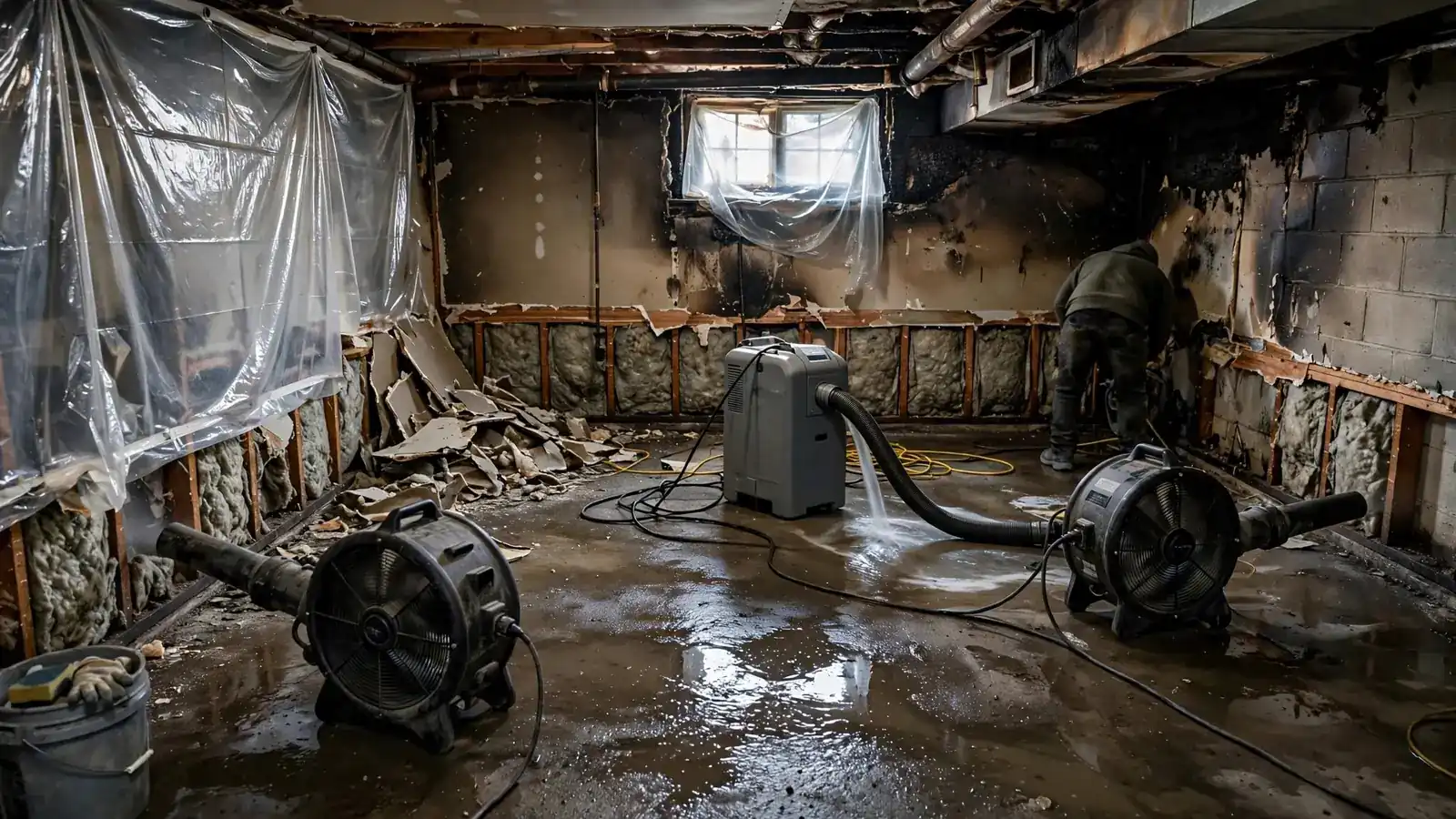
Broken windows, doors and roof openings closed against snow, cold, wind and intruders while the fire claim moves forward.
Learn more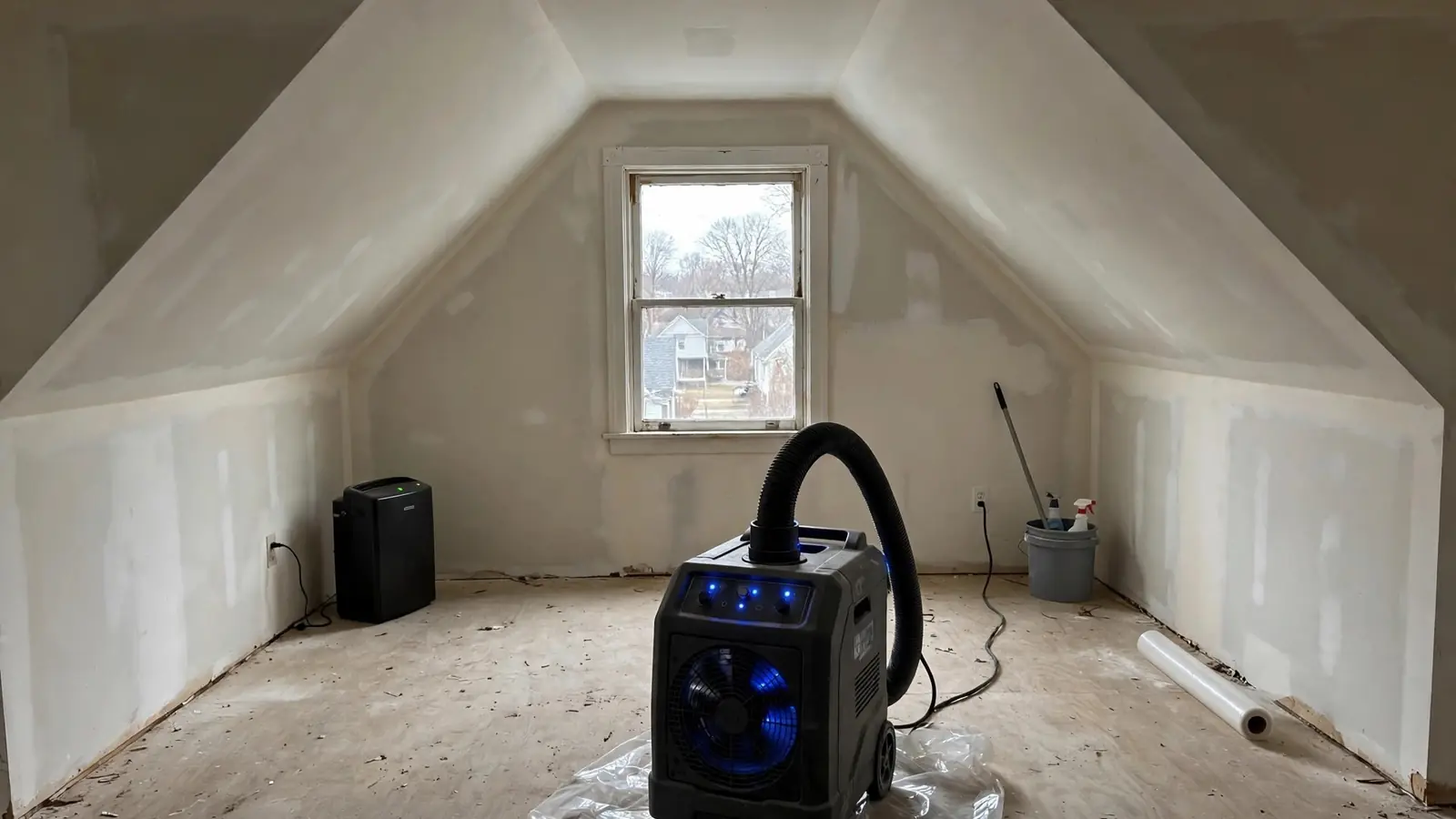
Start here
What is happening in your house?
Choose the situation closest to yours for a plain-language guide.
Cold weather and no heat?
After a winter fire, frozen and burst pipes can add a flood to the damage within hours. Protecting the plumbing comes before cleaning.
- Tell the contractor the heat is off
- Keep power and gas off until checked
- Do not run the furnace before inspection
- Use only safe temporary heat, with CO alarms
Why use this site
Straight answers for a hard week
Plain explanations in the order you need them, written for the houses Minneapolis actually has.
Safety comes first
Structure, electrical, heat and air quality are covered before anything else.
Right order of work
Freeze protection, water, soot, odor and rebuilding in the sequence that holds up.
Older houses understood
Plaster, radiators, knee walls, laundry chutes and stone basements each get their due.
Phone only
No forms and no follow-up marketing. You talk to a local contractor on the call.
Dry and warm before rebuilding
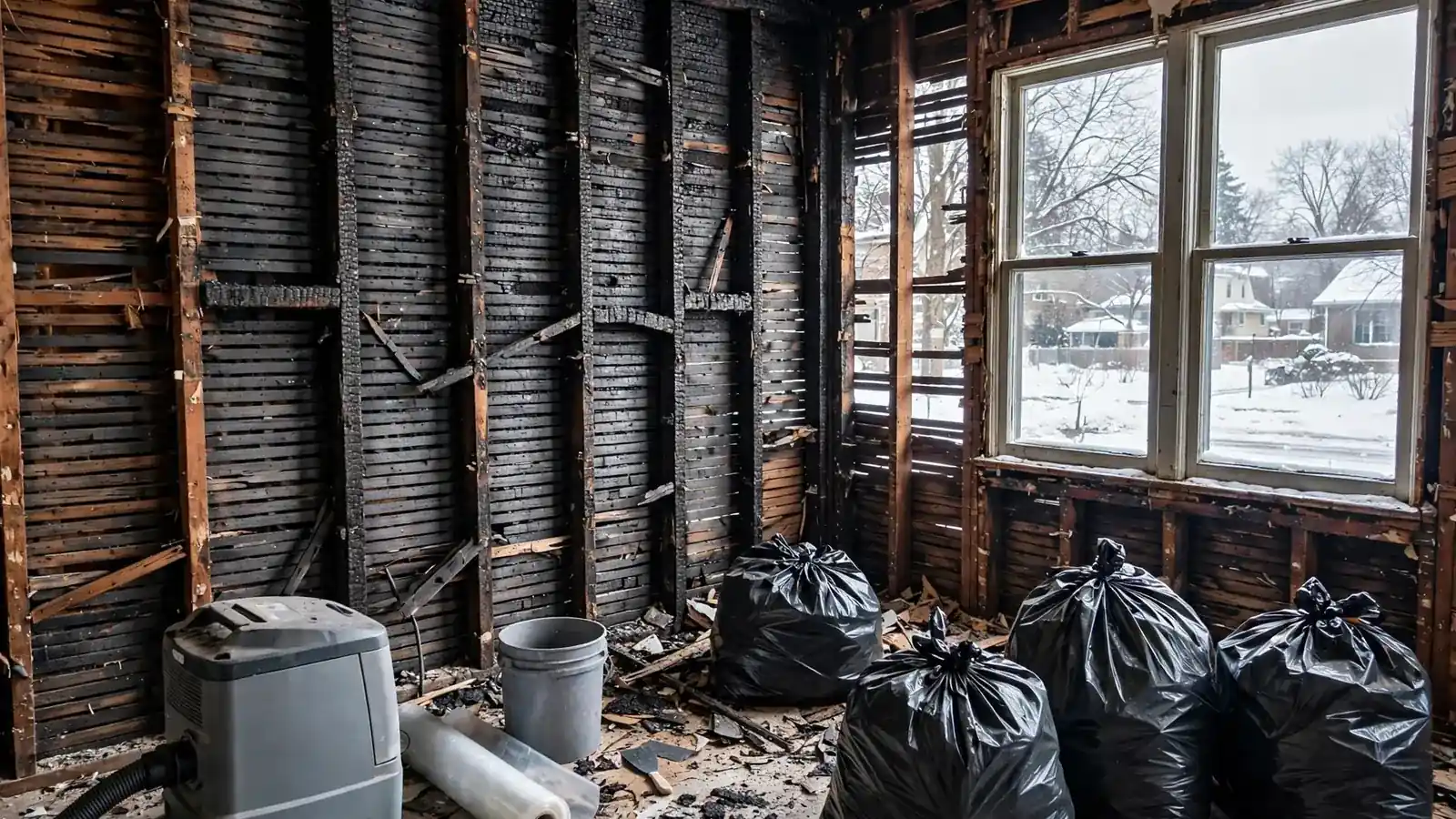
New plaster or drywall over damp, sooty framing fails. Readings should show dry first.
The call
From your call to a clean, warm house
- 1
Step 1
You dial the number shown here
Your call connects directly to an independent local restoration contractor.
- 2
Step 2
You describe what happened
Where the fire started, whether the heat works, whether the basement took water. The contractor answers on that call.
- 3
Step 3
You decide what happens next
Anything after the call is agreed between you and the contractor while you talk. We do not collect your details.
How smoke travels
Why smoke reaches rooms the fire never touched
Hot smoke climbs open stairways into half-story bedrooms and knee-wall storage, slips down laundry chutes to the basement, and rides forced-air ducts to every room. Radiators then warm whatever soot settles on and around them, so odor returns each time the heat runs.
That is why a Minneapolis restoration covers the attic, the basement, the heating system and every closet, not just the room that burned.
Closets filled with winter coats and blankets add to it. Wool and down hold smoke for months, so professional textile cleaning is often part of the job, along with cleaning the closet itself. Start with the guide that matches what you see.
- Stairways lift smoke upstairs
- Chutes and ducts spread it
- Radiators re-release odor
- Basements collect water
What a finished restoration looks like
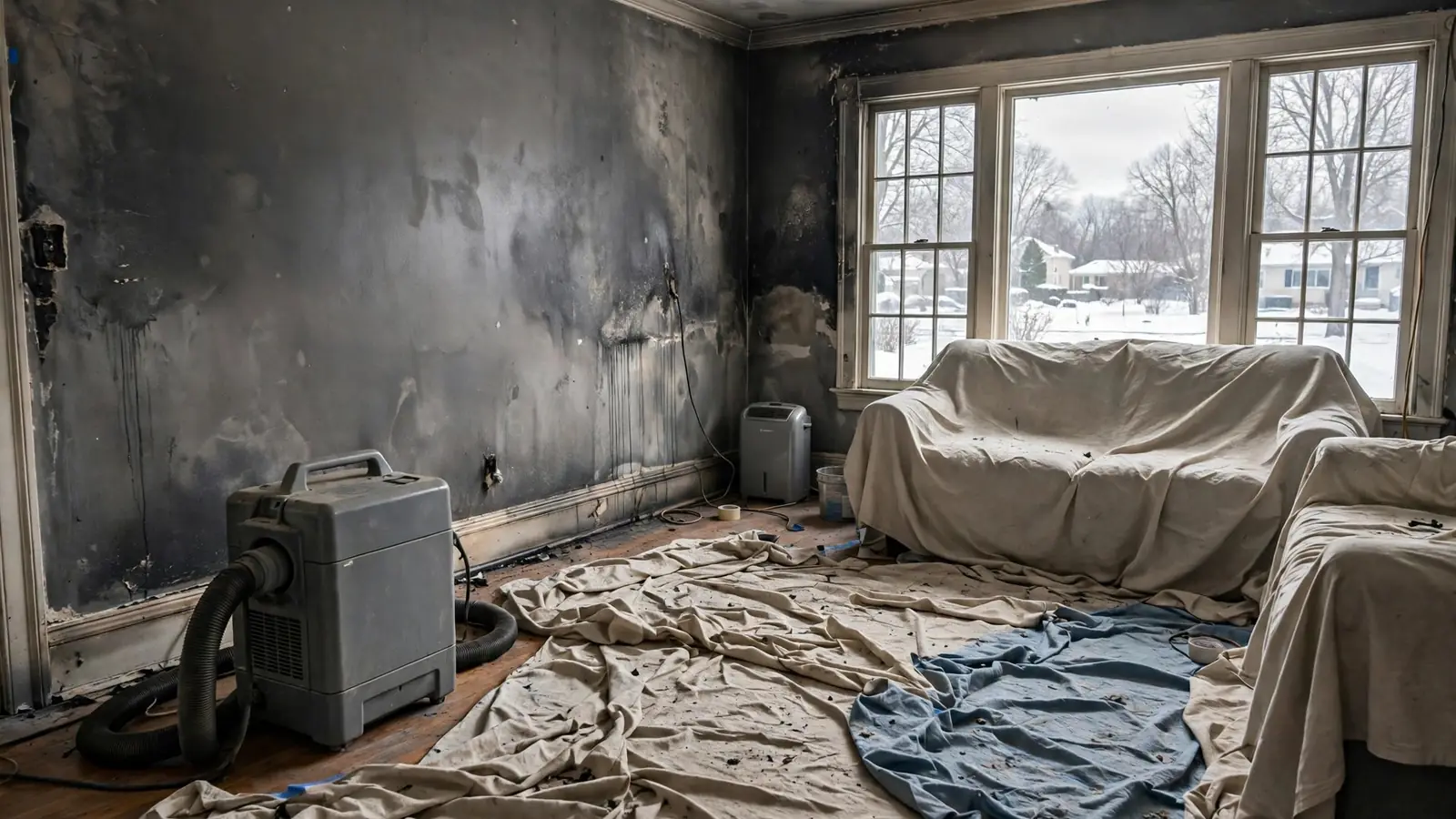
From a smoke-blackened room to clean, sealed and repainted plaster.
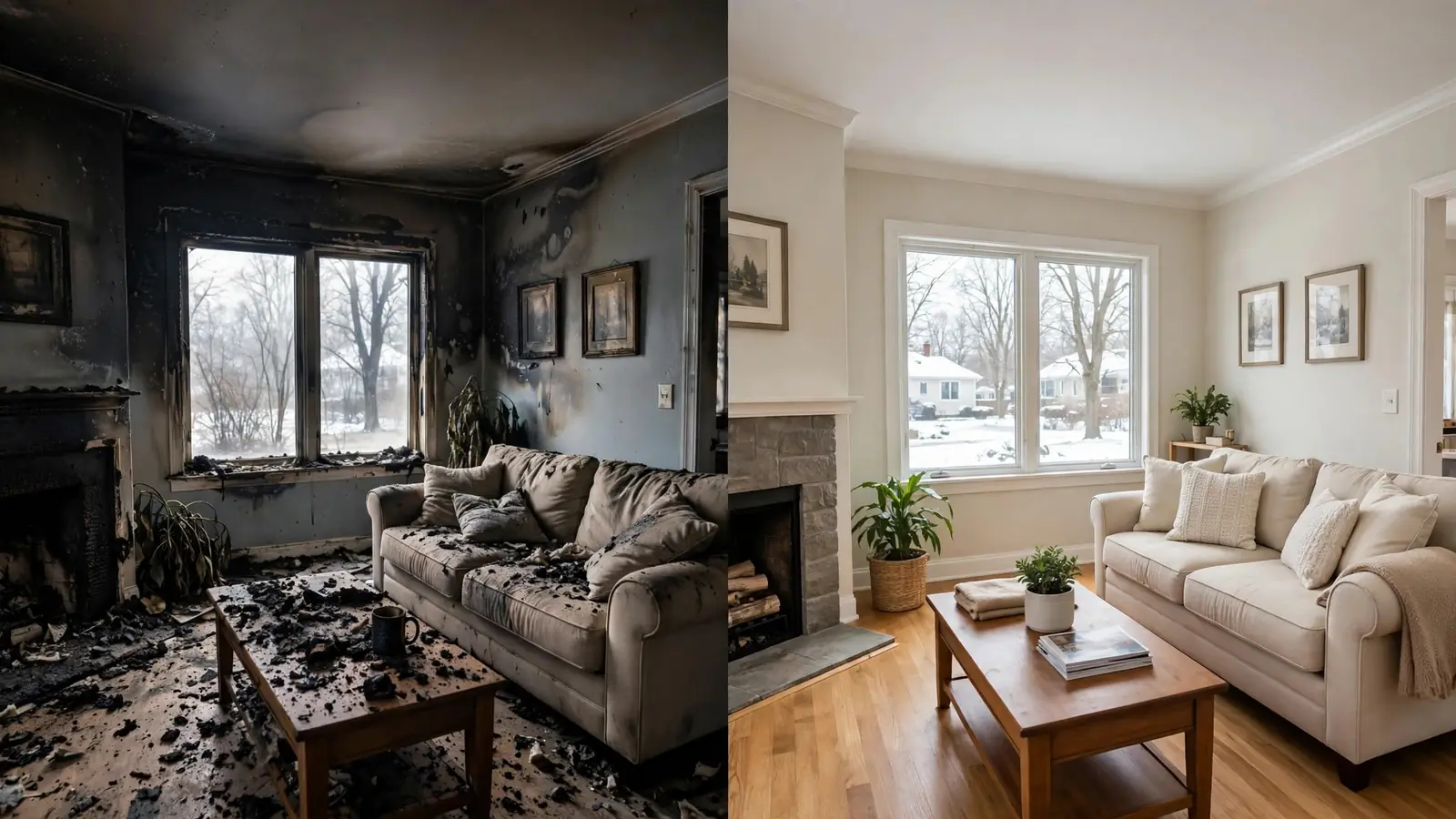
More before and after, room by room
Typical results.
 BeforeAfter
Kitchen
Burned cabinets replaced, walls cleaned and sealed.
 BeforeAfter
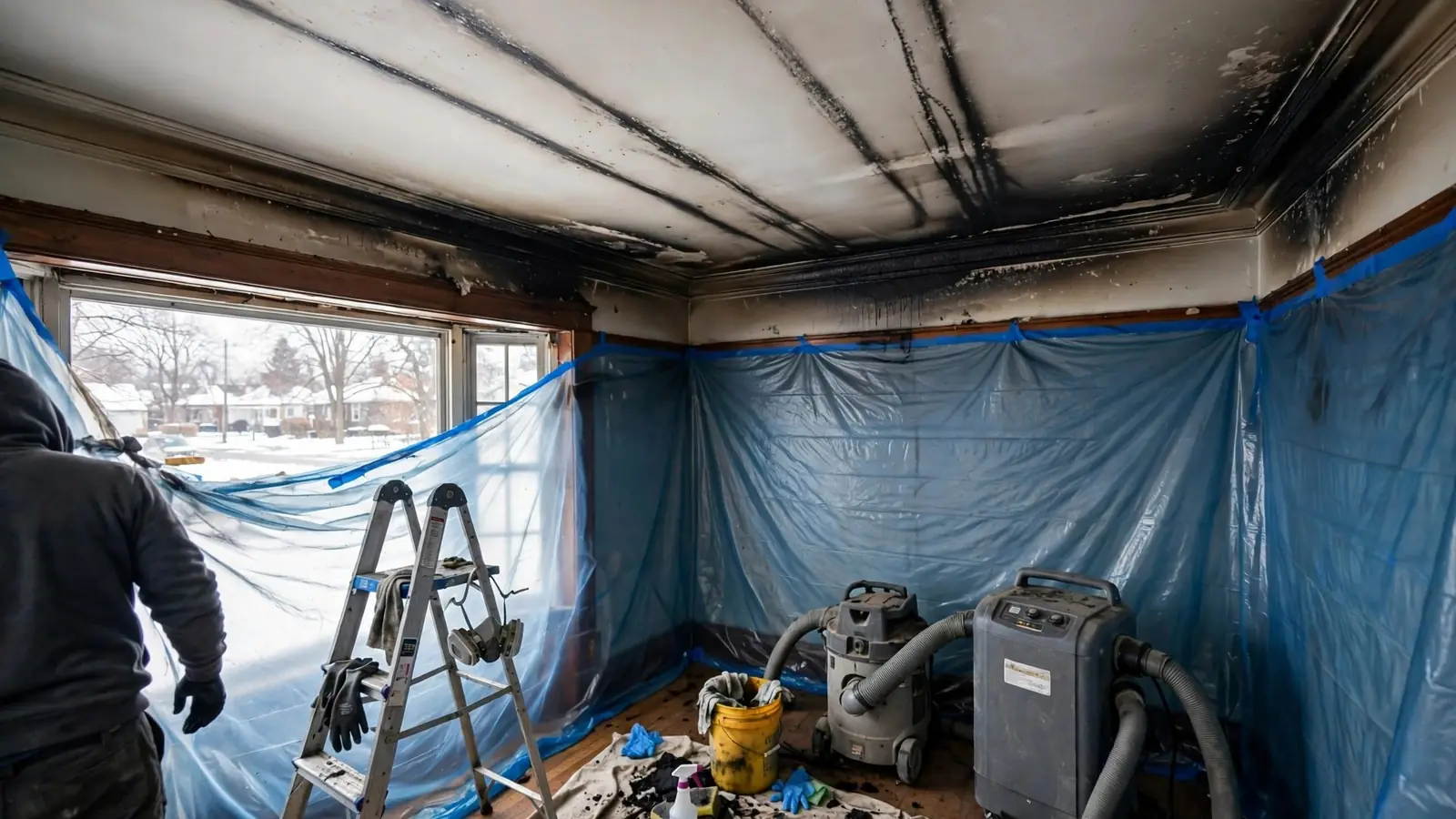
Plaster ceiling
Soot lifted dry, sealed and repainted.
 BeforeAfter
Upstairs bedroom
Half-story room and knee walls cleaned.
 BeforeAfter
Basement
Pumped, dried and rebuilt.
 BeforeAfter
Oak trim
Original woodwork cleaned and refinished.
 BeforeAfter
Stucco wall
Exterior smoke staining cleaned.
Where
Minneapolis neighborhoods we cover
Each page explains how local housing changes a fire restoration.
 Service area
Camden
North Minneapolis homes along the Mississippi: modest single-family houses, basements, older heating and detached garages.
Learn more Service area
Kenwood
Large historic houses between Lake of the Isles and Cedar Lake: multiple floors, fine woodwork, plaster detail and valuable contents.
Learn more Service area
Linden Hills
Streetcar-era cottages, Tudors and colonials above Lake Harriet, mixed with rebuilds: tight lots, finished basements and old trees.
Learn more Service area
Longfellow
1906 to 1920s bungalows and catalog homes between Hiawatha and the river: story-and-a-half layouts, knee walls and basements.
Learn more Service area
Marcy-Holmes
One of the city's earliest neighborhoods next to the University of Minnesota: old houses split into rentals, historic districts and student housing.
Learn more Service area
Nokomis
Story-and-a-half houses and bungalows around Lake Nokomis: basements with laundry and furnaces, detached garages and close neighbors.
Learn more Service area
Northeast
Former mill-worker homes on the east bank: late-1800s and early-1900s frame houses, duplexes and walk-up apartments.
Learn more Service area
Powderhorn
Dense 1905 to 1920 housing around Powderhorn Park: tall Victorian-era houses, duplexes and brick walk-up apartments of three floors.
Learn more
Decide
Clean, seal or replace?
| Material | Usually | Why |
|---|---|---|
| Sound plaster with smoke film | Clean and seal | Hard surface holds residue on top |
| Soaked or bulging plaster | Repair or replace | Bond to the lath fails |
| Attic and knee-wall insulation | Replace | Holds smoke for good; replace it |
| Cast iron radiators | Clean | Iron cleans well; covers come off |
| Oak trim and floors | Clean, refinish if darkened | Solid wood usually recovers |
| Basement carpet and pad | Replace | Absorbs dirty water |
Minneapolis specifics
What makes fire restoration in Minneapolis different
Much of the city's housing predates 1940: plaster walls, wood trim, radiators, story-and-a-half layouts and full basements. Those materials reward patient cleaning more than replacement, but they hide smoke in more places and may contain lead paint or older insulation that needs testing.
Winter changes the order of work. A fire that knocks out heat can freeze pipes within hours, so freeze protection often comes before cleaning. Snow on a damaged roof needs secure covers. Every covered neighborhood page explains what is different about homes there, and the fire restoration services pages explain how each part of the work is done.
Basements deserve special mention. Nearly every older Minneapolis house has one, holding the furnace or boiler, the water heater, the laundry and years of stored belongings. Firefighting water ends up there, smoke drifts down through chutes and stairs, and the heating equipment it houses spreads any remaining odor once it runs. A restoration plan that skips the basement rarely holds up through the first heating season.
Coverage is by ZIP code. Calls are accepted only from the Lead Smart fire damage coverage area, so the contractor you reach works in your part of the city.
Guides
Answers before the contractor arrives
 Guide
Is it safe to stay after a fire
Deciding whether you can stay in a Minneapolis home after a fire: structure, heat, utilities, smoke, water and who lives there.
Read the guide Guide
Smoke odor that won't go away
Why smoke smell comes back when the heat runs, where it hides in older Minneapolis houses, and what clears it for good.
Read the guide Guide
Soot on walls and ceilings
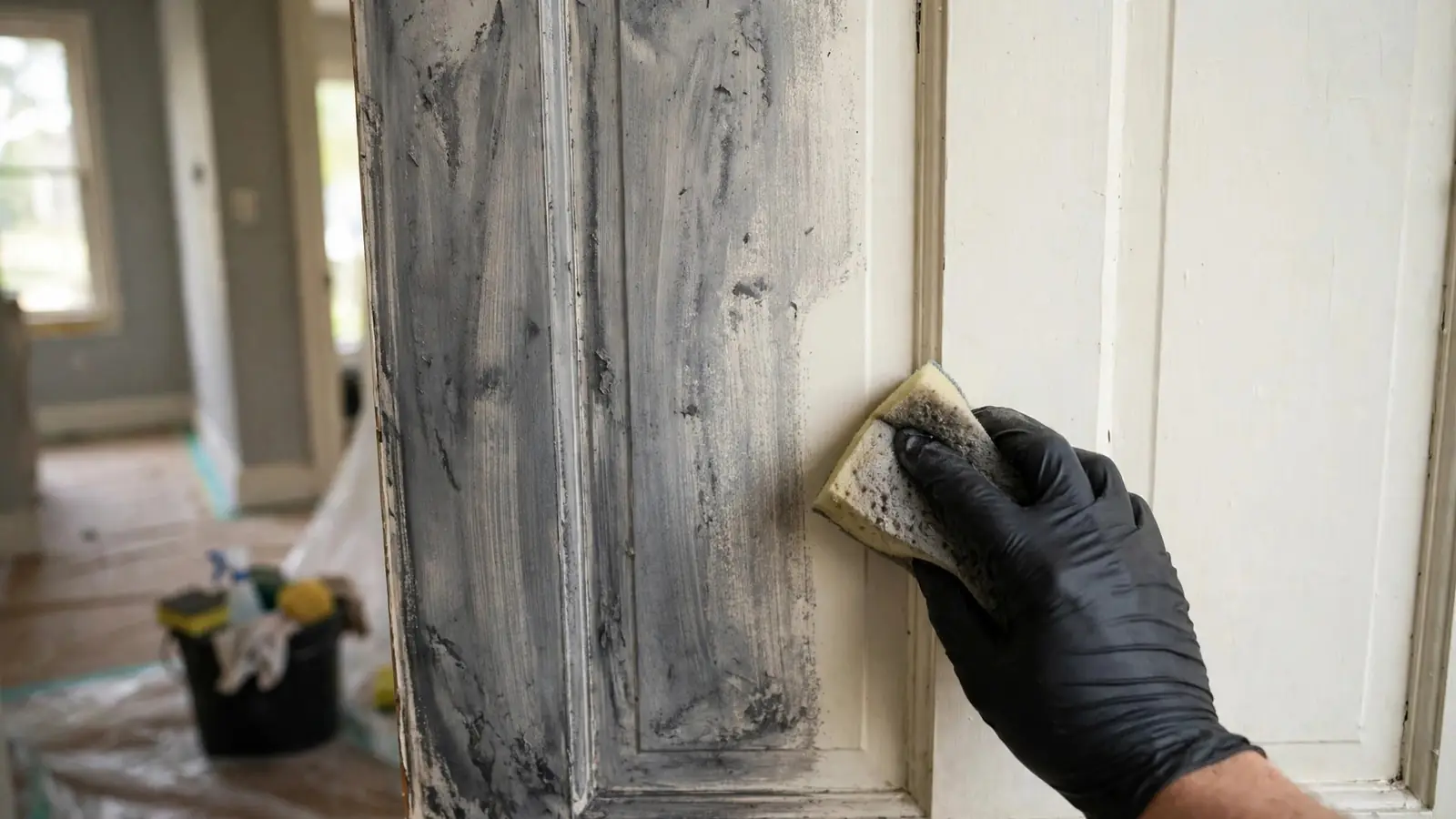
What black marks on plaster walls and ceilings mean, why some trace the framing, and how soot is removed without setting it.
Read the guide Guide
What to do after a house fire
The first hours and days after a Minneapolis house fire, in order: safety, shelter, heat and pipes, insurance and cleanup.
Read the guide Guide
Working with your insurance adjuster
How a fire claim works in Minnesota: the adjuster's role, proof of loss, documenting hidden damage, contents lists and where to get help.
Read the guide
FAQ
Fire restoration questions from Minneapolis
What is involved in restoring a house after a fire?
Protecting the house from cold and weather, removing water, removing ruined materials, cleaning smoke and soot from surfaces and contents, cleaning the heating system, treating odor, sealing and rebuilding.
What if the fire left us without heat in winter?
Say so first when you call. Temporary heat or draining the plumbing prevents frozen and burst pipes, which would add water damage.
Can plaster walls be saved after smoke?
Usually, if they are sound and dry. Soot is removed dry, then the plaster is cleaned and sealed before painting. Soaked or loose plaster is repaired.
Who answers when I call?
An independent local restoration contractor. This site is a call-in referral service; your call connects to them and you talk on that call.
Which parts of Minneapolis are covered?
Calls from 51 ZIP codes in the coverage area, including Northeast, Longfellow, Powderhorn, Linden Hills, Nokomis, Kenwood, Camden and Marcy-Holmes.
Does insurance cover fire damage?
Many homeowners policies cover sudden fire and smoke damage, but policies differ. Call your insurer, document everything and keep receipts.
Talk to a Minneapolis restoration contractor now
Call and an independent local restoration contractor will talk through your fire damage with you on the same call.
Sources and citations
Keep reading